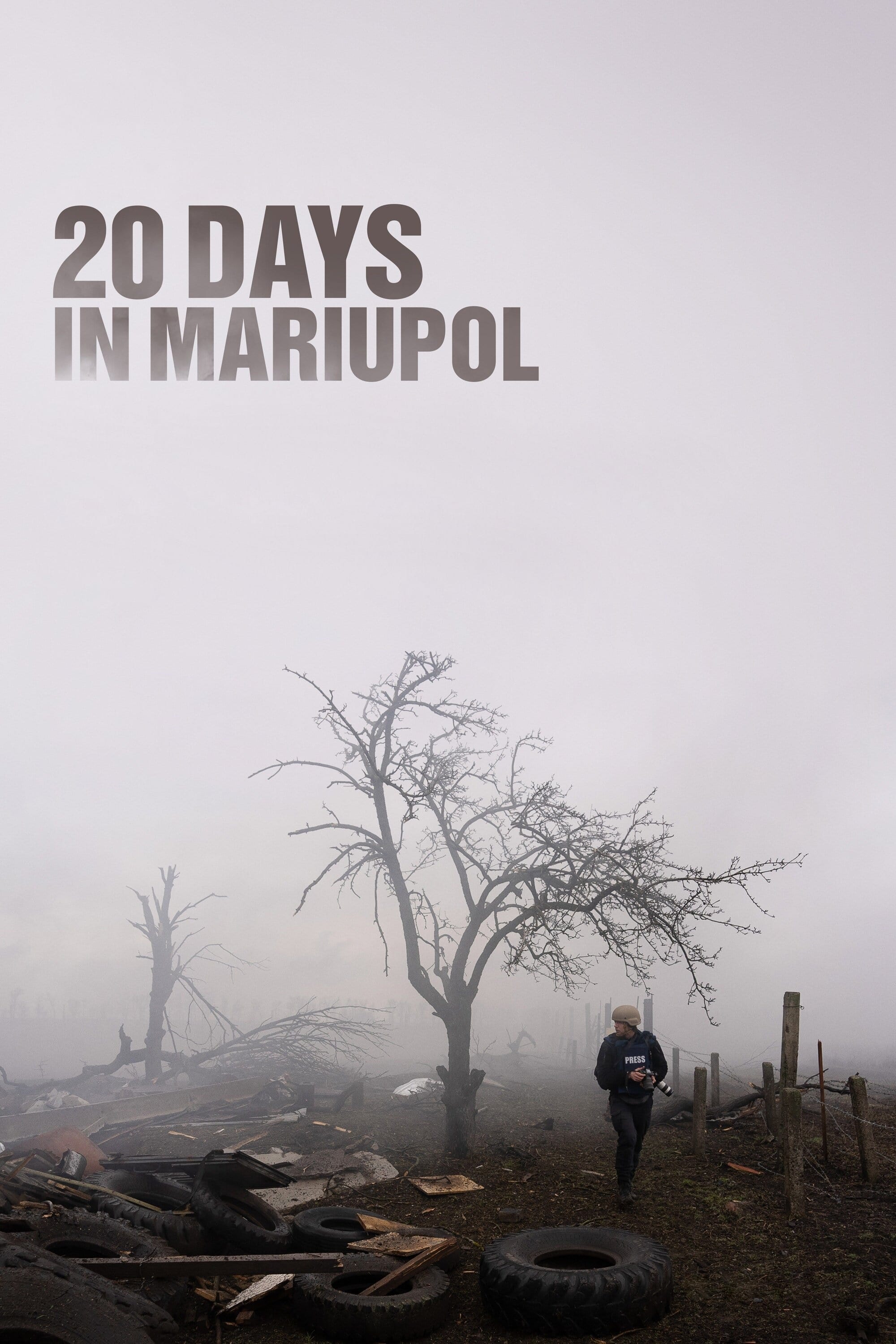

Horrific, harrowing, nearly unwatchable. Life and death, captured in real time. The graphic horror exceeds even what Hollywood can conjure up in war films like Saving Private Ryan and Hacksaw Ridge. So many gut-wrenching private moments shared, willingly, in the hope that eyes in safer, distant lands might bring help. I couldn’t get through it in a single sitting.
But that’s not a criticism. This is what war is. And the courage required to document it in such unflinching detail is extraordinary. While this is all present-day, yet it evokes what I imagine World War II must have felt like. It’s hard to watch, and that’s exactly why it must be watched.
If I have one critique, it’s the brevity of the closing title card describing an estimated 25,000 deaths. There’s so much more that unfolded between the footage and the release of the film. For the uninformed, a more detailed message could deepen the impact of the horror we just experienced and remind us that this tragedy isn’t over. Maybe something like this:
By May 2022, Mariupol had fallen. Ukrainian defenders made their final stand in the Azovstal steel plant before being taken prisoner. Thousands of civilians were deported to Russian-controlled territories.
More than 25,000 civilians are believed to have died. Many were buried in mass graves or remain lost beneath the rubble.
Under Russian occupation, much of the city was demolished. Ukrainian language and identity were stripped away. New buildings rose—built over the ruins.
In July 2022, over 50 Ukrainian POWs were killed in an explosion at a Russian prison in Olenivka. Accusations of war crimes remain unresolved.The war continues. Mariupol remains under Russian control. Its fate, like Ukraine’s, is still being written.
This film is not entertainment. It’s testimony. And we owe it to the people who lived and died in Mariupol to look at what happened to them.
 I'm a
I'm a
Recent Comments