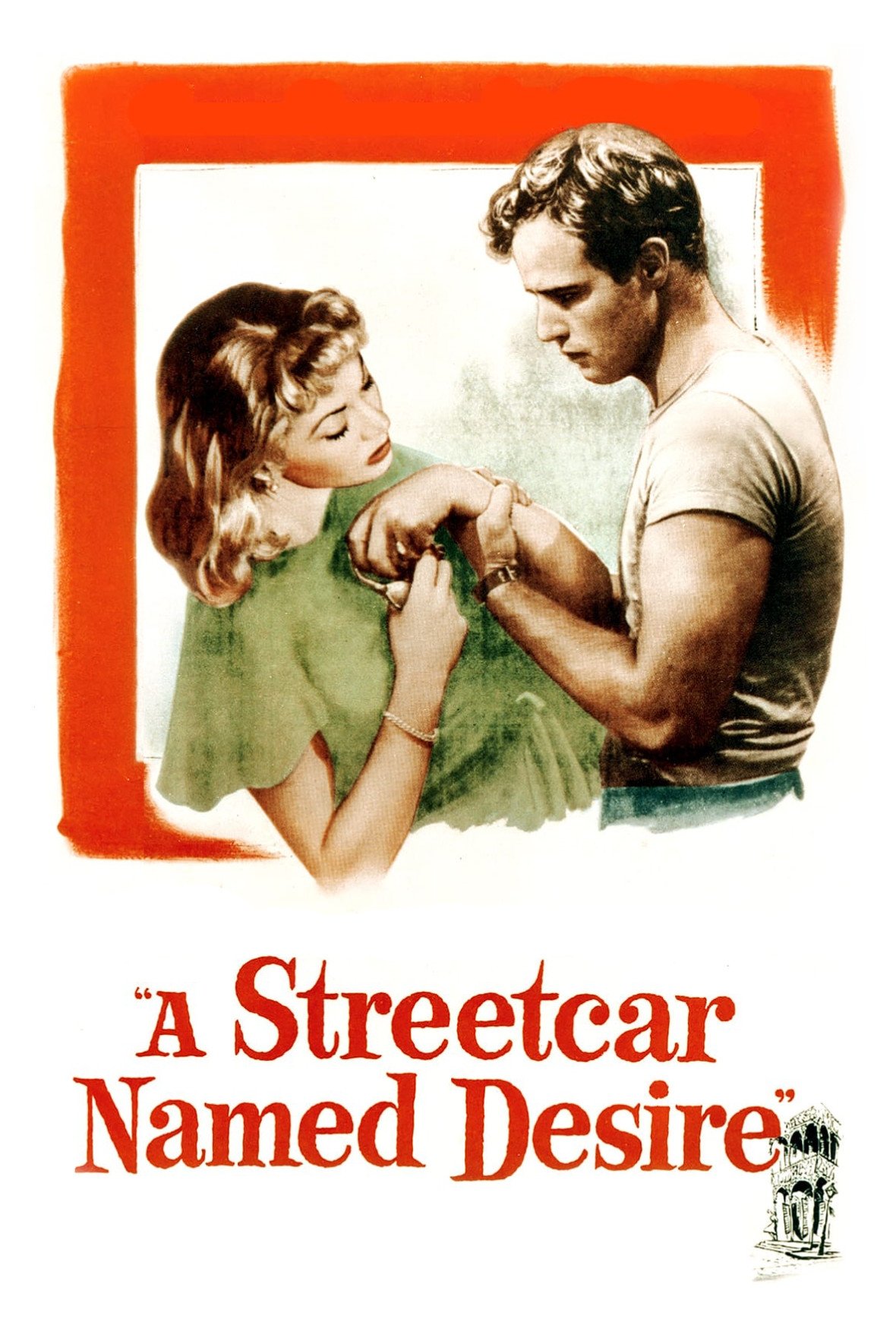

Finally, I get it. From the moment Marlon Brando enters the frame, his raw, unfiltered masculinity is undeniable. There’s a loose, visceral energy in the way he moves, speaks, and simply is. His delivery is fluid, natural, even crude at times. He’s physical, animalistic, his ripped physique constantly on display in tank tops and torn shirts, and the camera longs for him in every shot. This is the first time we’ve seen a man like this, and it’s electrifying.
Brando stumbles on a few lines, a foreshadowing of the mumbling and diction criticisms that would follow him later in his career. But here, none of it matters. His performance didn’t just elevate the film, it changed acting in film forever. That he didn’t win the Oscar for this is when so many of his peers from the film were honored is hard to justify. Even if his performance and style wasn’t recognized by the Academy, it would only be a matter of time before everyone recognized that his performance was a turning point in the evolution of screen acting.
Brando’s natural approach to acting lies in stark contrast with Vivien Leigh’s more classical performance. Her delivery is precise and theatrical, and she feels stiff beside the others. But her bold performance as a woman descending into madness is chilling, committed, and ultimately unforgettable, even if her English accent doesn’t quite match her sister’s slightly more authentic Mississippi accent. Kim Hunter falls somewhere in the middle, grounding her performance with a warmth and openness that complements both Brando and Leigh. Karl Malden is, as always, instantly likable and dependable. Great to see him with such a meaty role.
The story drags a bit at first, but it builds to a powerful and tragic crescendo. The film, with Tennessee Williams’ writing brought to life with Elia Kazan’s direction and masterful performances from an ensemble cast, would be a big success for its time and turning point in film history.
 I'm a
I'm a
Recent Comments